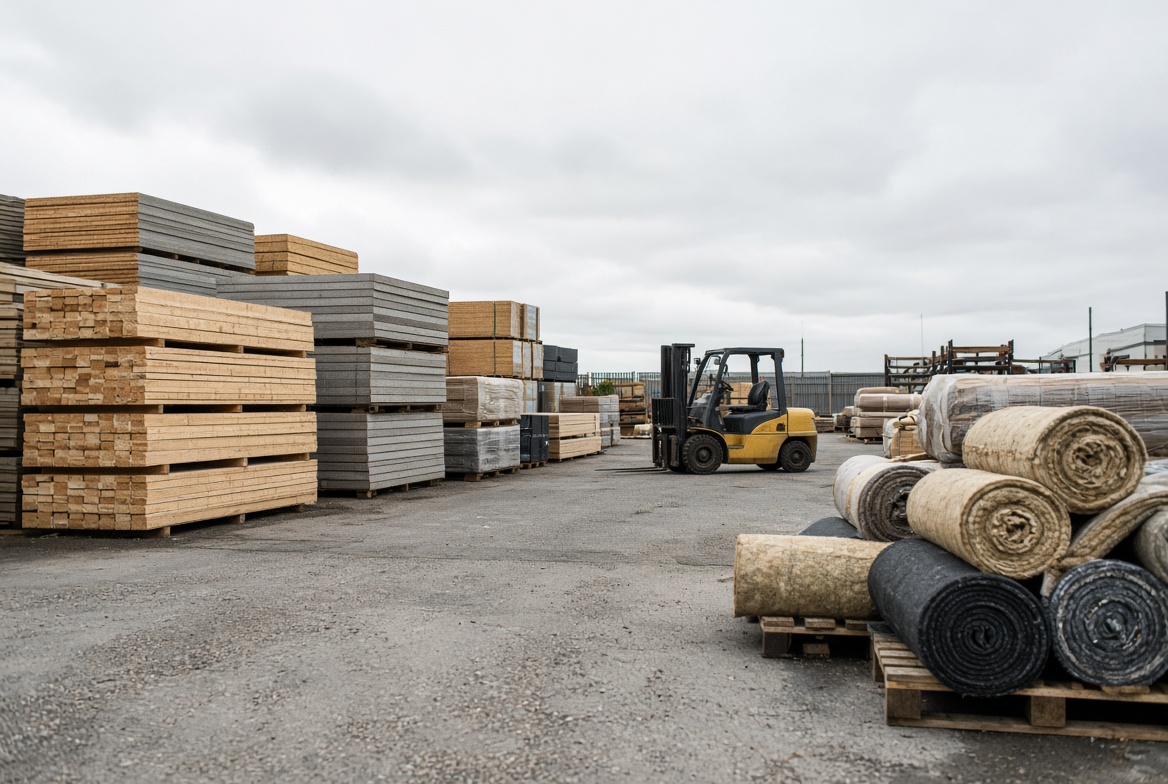

4 Bulk Aggregate Buying Mistakes To Avoid
At a Glance
Bulk aggregate purchasing directly affects the stability, cost, and timeline of construction and groundwork projects. Common mistakes include selecting unsuitable aggregate types, miscalculating quantities, overlooking supplier quality, disorganised site logistics and poorly timed deliveries. Careful planning, supplier verification, and coordination with site logistics help prevent delays, reduce waste, and ensure materials perform reliably throughout the project lifecycle.
How Do Bulk Aggregates Benefit Your Project?
Buying bulk aggregates for a construction project seems straightforward on paper, as all you have to do is decide what you need, pick a supplier, place the order, and begin the job. However, a small oversight at this stage can seriously affect your project’s quality down the line, disrupting your entire project’s timeline.
From delayed deliveries to poor drainage and rework costs, mistakes when buying bulk aggregate are among the reasons groundworks can become far more expensive than expected. This is because aggregate materials form the structural base of many groundwork and landscaping projects and managing them correctly is essential for maintaining stability and long-term performance.
Let’s explore what exactly tends to go wrong when ordering bulk aggregate materials, and how these problems can be avoided. The pointers below highlight some of the most common purchasing mistakes contractors encounter and offer practical considerations to help keep projects running smoothly.
1. Choosing the Wrong Aggregate Type
Choosing the wrong aggregate type for construction, most likely due to miscommunication, can be a significant issue. In some cases, aggregates are ordered without thoroughly checking whether they are suitable for the build’s specific needs.
Delivery formats are also a common source of mistakes when buying in bulk. For instance, choosing loose loads because they seem more efficient on paper. However, these bags can create waste on smaller, restricted sites, which contractors often overlook. On the other hand, while bulk bags offer more control in some situations, they cost more per tonne and require handling equipment.
It is important to always match aggregate type and delivery format to your project’s unique technical needs. Double-checking the site specifications helps avoid waste, rework costs, and unnecessary disruption.
2. Misjudging Quantities and Site Logistics
Ordering the wrong amount of aggregates due to overestimation can lead to waste, extra transport costs and issues with on-site storage. On the contrary, underestimating the demand can bring work to a standstill, especially if a fresh load can’t be delivered fast enough to keep the schedule on track. In both cases, multiple trades can be affected.
Poor planning for access and storage further exacerbates the issue. Sites with limited space may struggle to receive large deliveries without blocking other operations. If unloading areas aren’t cleared in time or if storage areas lack weather protection, materials may be lost or damaged.
Likewise, groundwork projects involve several temporary site facilities that must be managed efficiently to keep the site operational. Alongside material deliveries, sites need plant equipment, fuel storage, and towable welfare units on hire for teams working on secluded or developing sites. Without proper consideration, these additional requirements can restrict access routes, limit storage space, and create further delays for material deliveries.
3. Overlooking Quality and Supplier Credibility
Contractors may want to finish their projects within budget, which can lead them to choose suppliers offering the lowest aggregate rates without considering quality. Poor-quality aggregates may not meet durability or compliance standards, increasing the risk of material failure or the need to redo work.
For instance, recycled aggregates from an inefficient supplier may lack proper screening and may contain unsuitable materials that affect compaction or drainage. A reputable supplier will ensure their aggregates are correctly processed and ready to use from the start, saving you time and stress when the build begins.
It’s also a good idea to choose local suppliers for faster bulk deliveries, saving you time and money. Before placing an order, do a quick background check on your supplier to assess their credibility. For further assurance, ask them about their sourcing and handling processes to understand what to expect from their bulk deliveries.
4. Ignoring Delivery Timing and Scheduling Issues
Scheduling a delivery too early can crowd the site or expose materials to damage. If you do it too late, key groundwork tasks may need to be delayed while teams wait for aggregates to arrive. Both scenarios disrupt the workflow and increase costs.
Common causes of poor timing include misaligned groundwork stages, unclear access routes, inadequate storage sites, or underestimating weather-related delays.
Therefore, coordinating with your supplier is essential to avoid this mistake when buying bulk aggregates. Plan your project with a buffer to give your team some flexibility in case of scheduling issues.
In Conclusion
Bulk aggregates purchasing plays an important role in keeping groundwork and construction projects on schedule. However, common issues such as choosing the wrong aggregate type, misjudging quantities, overlooking supplier quality, poorly timed deliveries, disregarding other site logistics and welfare provisions can quickly disrupt progress on site.
By selecting suitable aggregate materials, carefully planning quantities, and coordinating deliveries with site logistics, contractors can reduce delays and avoid unnecessary costs. Attention to suppliers’ reliability, storage conditions, and access planning also helps ensure that materials arrive when needed and remain suitable for use.
Avoiding these common bulk aggregate buying mistakes can make a significant difference to how efficiently a project progresses from groundwork to completion.